
Raila Odinga: Engineering Courage and Humanity
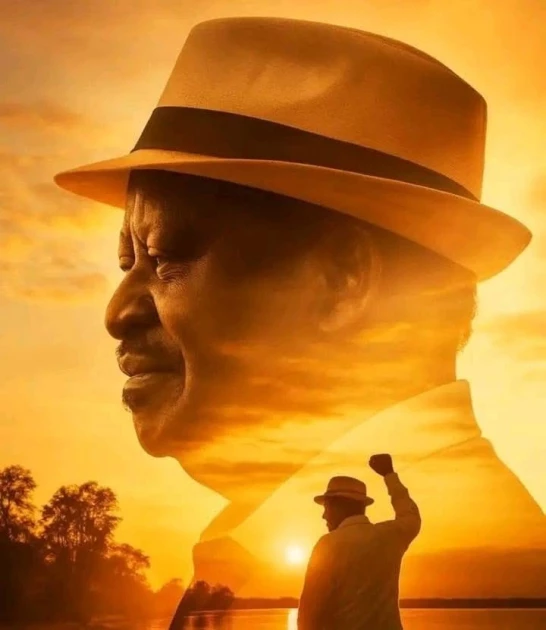
As we prepare to lay Raila Amolo Odinga to rest tomorrow, several things have stood out for me, lessons and memories that deserve reflection.
First, I am struck by how profoundly humble and human he was. Those whose lives he touched, even those that would be considered the lowliest, speak of a warm, loving, down-to-earth man. For a man of his stature, a national icon, freedom fighter and statesman, it speaks volumes about the size of his heart and of his humanity.
The sheer number of people who have turned up to mourn him is a testament to how deeply he was loved. He was, in many ways, the king we never had — a leader whose power did not depend on a title, but in his genuine connection with ordinary Kenyans.
Second, the courage and strength of character it must have taken to emerge from the dark torture chambers of Nyayo and Nyati houses and still fight on to the very end of his life. In my younger years I would dread walking past those buildings, haunted by the stories we read of the torture Raila and other activists endured there. We owe him — and his family — immense gratitude for the sacrifices that helped expand our democratic space as a nation
Third, though I never met RAO in person, I felt a quiet kinship with him as a fellow engineer. I could never stop admiring the strength of this mechanical engineer turned politician. Somehow, I felt I could bask in the reflected greatness of a fellow professional. When I learned that the first First-Class Honours in Engineering awarded to a Black student at the University of Nairobi was awarded through his intervention, my admiration rose several notches higher..
Anyone who spent time studying across Harry Thuku Road knows what it means to have graduated, let alone get a first class in those disciplines taught at the “American wing”. To be denied one’s rightful qualifications because of the colour of one’s skin is the height of injustice. That Raila stood against such injustice and won is a sign of how deeply he cared about fairness and human dignity.
As engineers, we often shy away from what are called the softer sides of life, preferring to let our technical work speak for itself. Yet Raila’s example shows us that engineering and humanity are not separate worlds. Life is more than calculus and technology. Engineers, too, must learn to navigate politics, social dynamics, and human emotion if we are to build societies that are both technically sound and socially just. That, to me, is the essence of holistic and sustainable development.

Fourth, even in his death, Raila has continued to shape culture. For a man who could have been mourned for weeks according to Luo traditions, his wish to be buried within 72 hours is deeply symbolic. Like Kenya’s late Chief of Defence Forces, Gen. Francis Ogolla, he chose to challenge cultural norms that prolong mourning. That, too, is an act of courage that we can emulate. Let us learn to invest more energy in celebrating the living and giving honour where it’s due while people are still alive.
Finally, I find wisdom in the Odinga family’s decision to set aside a designated family burial ground. It’s a model worth emulating. For sustainable land use, families, communities and counties at large must begin to plan burial spaces intentionally, rather than turning arable land into scattered, disorganised burial spots.
May Raila’s courage, love, and warmth continue to live on among those who mourn him so deeply. And may his family find comfort and solace in God during this difficult time.
Rest well, Jakom. Kenya will remember.
A Brilliant tribute to an exceptional Man . May he rest in Perfect Peace
Wonderful musings👌🏾👌🏾👌🏾